


Impact Windows & Doors | South Florida
What Kind of Glass Is Hurricane Glass?
A plain-language guide for homeowners in Miami, Fort Lauderdale, West Palm Beach, Kendall, Naples, Fort Myers and Boca Raton on how hurricane glass is built and why it matters for your windows and doors.
Start With a Free Consultation
Free
First consultation
Confidential
Your information stays private
No obligation
Decide on your own timeline
By Jonathan Rodriguez · Published November 6, 2026
Hurricane glass is impact-resistant laminated glass. It is two or more layers of glass bonded around a plastic layer, so the pane resists flying debris and stays in its frame after a hit. People asking “What kind of glass is hurricane glass?” usually want a plain answer and a way to check the windows they already have. This guide gives both, with a focus on homes in Miami, Fort Lauderdale, West Palm Beach, Kendall, Boca Raton, Naples, and Fort Myers.
What Hurricane Glass Means in Everyday Use
Hurricane glass is the everyday name for impact-resistant glass. It is built to handle windborne debris and the pressure changes that come with a storm. Homeowners, contractors, and sellers often use “hurricane glass” and “impact glass” to mean the same thing. Impact glass is not a different substance. It is a specific way of building glass for impact. Think of the name as shorthand, not a guarantee of any particular rating. Because the names are used loosely, the label on the glass and the approval paperwork tell you more than the name does. For the broader picture, read our impact windows guide.
If a storm or an inspection has you wondering what's in your windows, our team can talk it through with you, starting with a free, confidential first consultation. Talk it through with our team — the first consultation is free, confidential, and carries no obligation.
How Laminated Impact Glass Is Built
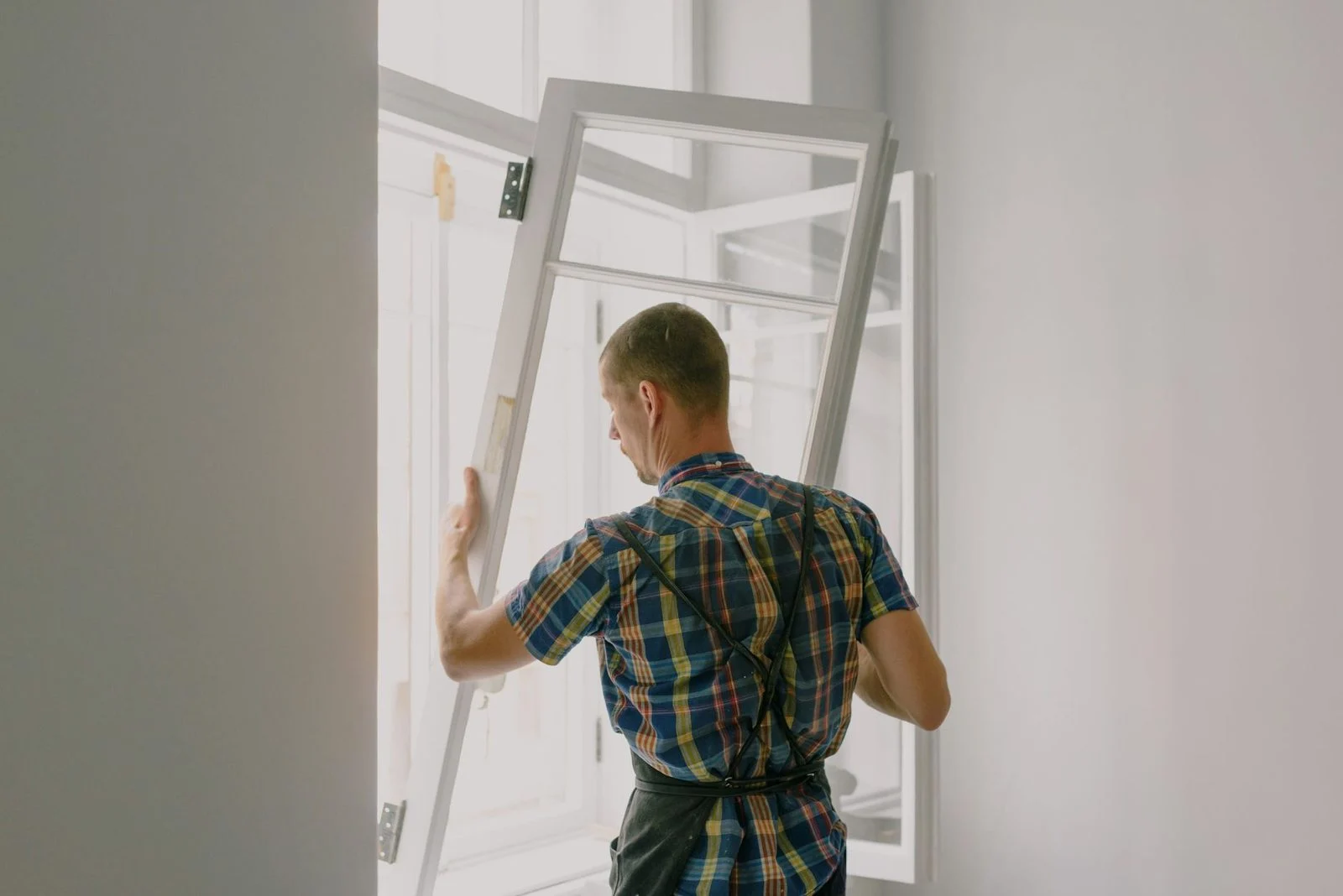
Impact glass is laminated. Two or more layers of glass are bonded together with a plastic interlayer between them. Manufacturers press the layers together under heat and pressure so the bond holds. Polyvinyl butyral (PVB) is the most common interlayer. Some products use SentryGlas (SGP) ionoplast instead. When debris strikes the pane, the interlayer holds the broken pieces in place. The pane resists penetration rather than falling away into the room. The interlayer can also help filter UV light, which many owners notice day to day. Thickness and interlayer type vary by product and by the rating the product was tested to. That means two windows that both say “impact” can still differ in build. Check the rating, not just the word.
How Hurricane Glass Differs From Tempered and Standard Glass
Hurricane glass differs most in what happens after impact: it stays in the frame. Standard annealed glass breaks into large, sharp pieces that can travel into a home. Tempered glass is heat-treated to be stronger. When it breaks, it crumbles into small pieces, which lowers some injury risk. But tempered glass is not designed to stay in the frame after an impact, so it alone is not hurricane-impact glass. In a storm, the difference between a pane that stays put and one that falls out can matter a great deal for the people inside.
- Standard (annealed) glass: breaks into large, sharp shards.
- Tempered glass: stronger than standard glass, breaks into small pieces, and is not built to stay in the frame.
- Laminated impact glass: layers bonded to an interlayer, designed to stay intact in the frame.
What “Toughest Glass to Break” Means in Practice
No window glass is unbreakable. The useful question is how the glass performs under a defined impact test. Impact glass is tested by striking the pane with a missile and by cycling pressure. Those testing standards are the basis for product approval. Laminated impact glass is the category built for this purpose. Tempered glass is valued for its strength against other stresses, such as everyday knocks and temperature changes. A rating tells you what was tested. It does not tell you exactly what will happen to your home. Match the paperwork to the exact product you are considering, and keep the test conditions in mind.
How to Recognize Impact Glass in Existing Windows
Look for a certification mark, label, or listing, and the approval paperwork for the window or door. Florida law says a product with a certification mark, label, or listing from an approved certification agency needs no further documentation to show it complies with the code (Fla. Stat. § 553.8425). The same statute says an approval stays valid until the product changes and loses performance, the code requires more performance, or the approval is suspended or revoked. Changes to the code do not void the approval of products previously installed in existing buildings if such products met building code requirements at the time the product was installed. Also check the edge of the glass. Laminated units often show a thicker, layered profile than a single pane of standard glass. Florida law also limits marketing. A product may not be advertised, sold, or marketed as hurricane, windstorm, or impact protection from wind-borne debris from a hurricane or windstorm unless it is approved under the state’s product approval rules (Fla. Stat. § 553.842). That makes the label a better guide than a sales claim. If the markings are unclear or missing, ASP Superhome can talk through what is installed in your home.
Testing Standards and What HVHZ Means for Impact Glass
HVHZ is a regional code designation, while impact resistance is a test result for a product. Product approval is the step that connects the code to a specific window or door. The Wind-Borne Debris Region is a separate definition. Whether a particular address falls inside it depends on the facts for that site. A Miami-Dade County notice of acceptance is one example of product paperwork. It documents an impact-rated product tested for Florida Building Code compliance, including Miami-Dade and High Velocity Hurricane Zone requirements.
Not sure what your next step is?
Talk it through with our team — the first consultation is free, confidential, and carries no obligation.
Taking the Next Step With a Free Consultation
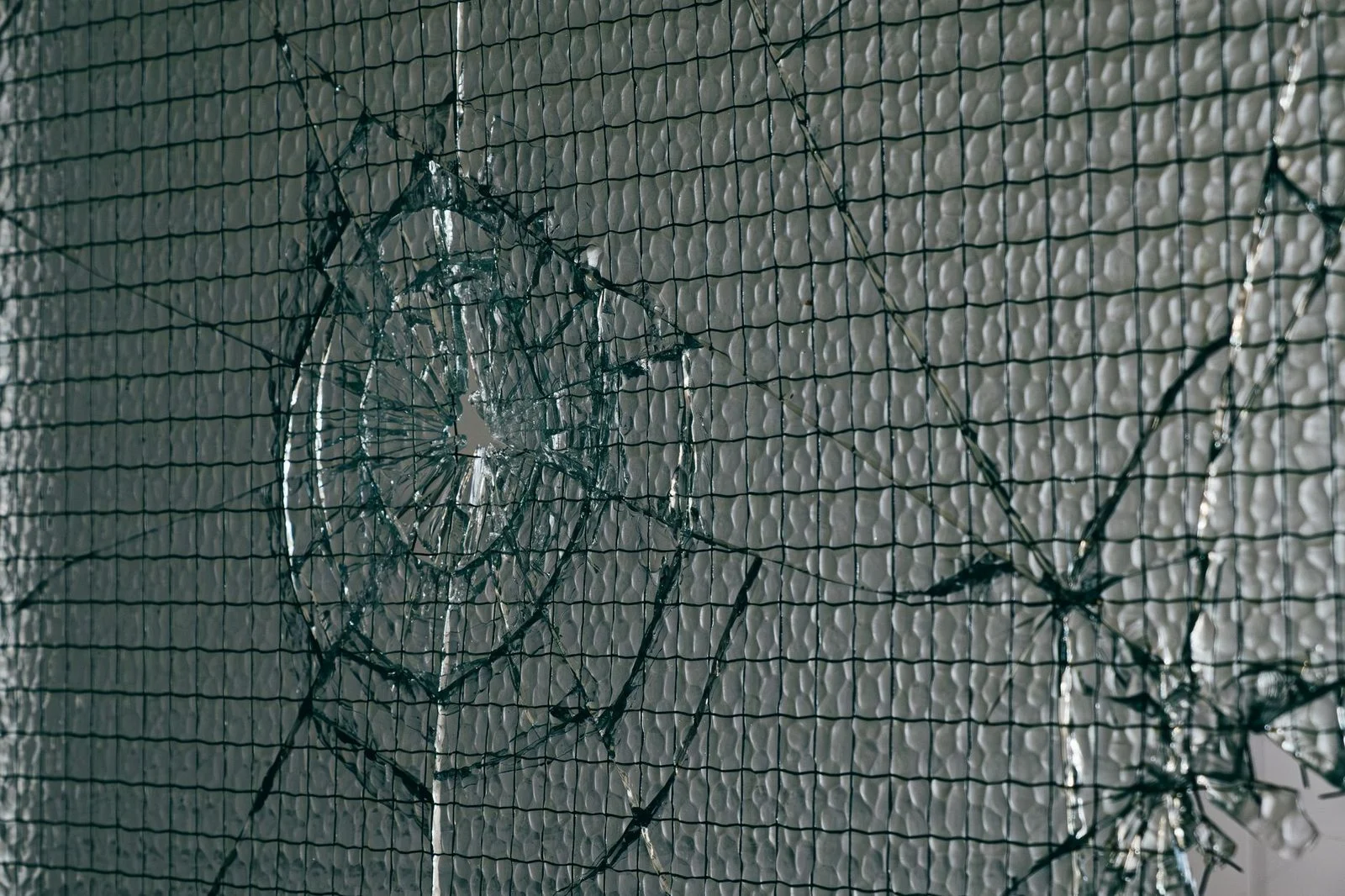
If you want help weighing glass or window options, the next step is a free, confidential first consultation with ASP Superhome, with no obligation to continue. Reading about hurricane glass often starts with a storm warning, an inspection report, or a family member’s question about the windows. You may not have planned to face these choices. Knowing how the glass is built helps you ask better questions and read the paperwork with confidence. Related reading: impact doors in Fort Lauderdale and Fort Lauderdale hurricane risk.
Frequently asked questions
What kind of glass is hurricane glass?
Hurricane glass is laminated impact glass. Layers of glass are bonded around a plastic interlayer.
Is tempered glass the same as hurricane glass?
No. Tempered glass is not hurricane-impact glass by itself. It is stronger than standard glass, but it is not built to stay in the frame.
How do I tell if my windows are impact resistant?
Look for a certification mark, label, or listing and the matching approval paperwork. Laminated units often show a thicker, layered edge.
If a storm, an inspection, or a family question has you looking at your own windows, our team can walk through the options with you. Request your free estimate when you’re ready.
What to Look for in Hurricane Glass
Laminated construction
Hurricane glass is laminated impact glass: two or more layers of glass bonded around a plastic interlayer that holds the pane together when it is struck.
Impact-rated testing
Look for documentation showing the product was tested for impact performance. Ask for the product approval paperwork before you buy.
Frame and anchoring
Glass only performs as well as the frame and anchoring around it. A complete impact-rated system protects the whole opening.
Right fit for your home
Glass thickness, frame type and installation method should match your home's exposure, layout and style.
Tempered Glass Is Not the Same
Tempered glass is stronger than standard glass, but it is not built to stay in the frame after impact. Do not assume a window is hurricane-rated because it is tempered. Confirm the product's impact rating before you rely on it.
Common Questions Homeowners Ask
Is hurricane glass the same as impact glass?
In most South Florida conversations, yes. Both terms usually describe laminated glass designed to resist impact from wind-borne debris.
Can I upgrade just some windows?
Many homeowners replace windows in stages. Our team can review your home and talk through which openings to prioritize.
Does glass alone protect my home?
Impact glass works best as part of a complete system that includes the frame, anchoring and impact-rated doors where needed.


