


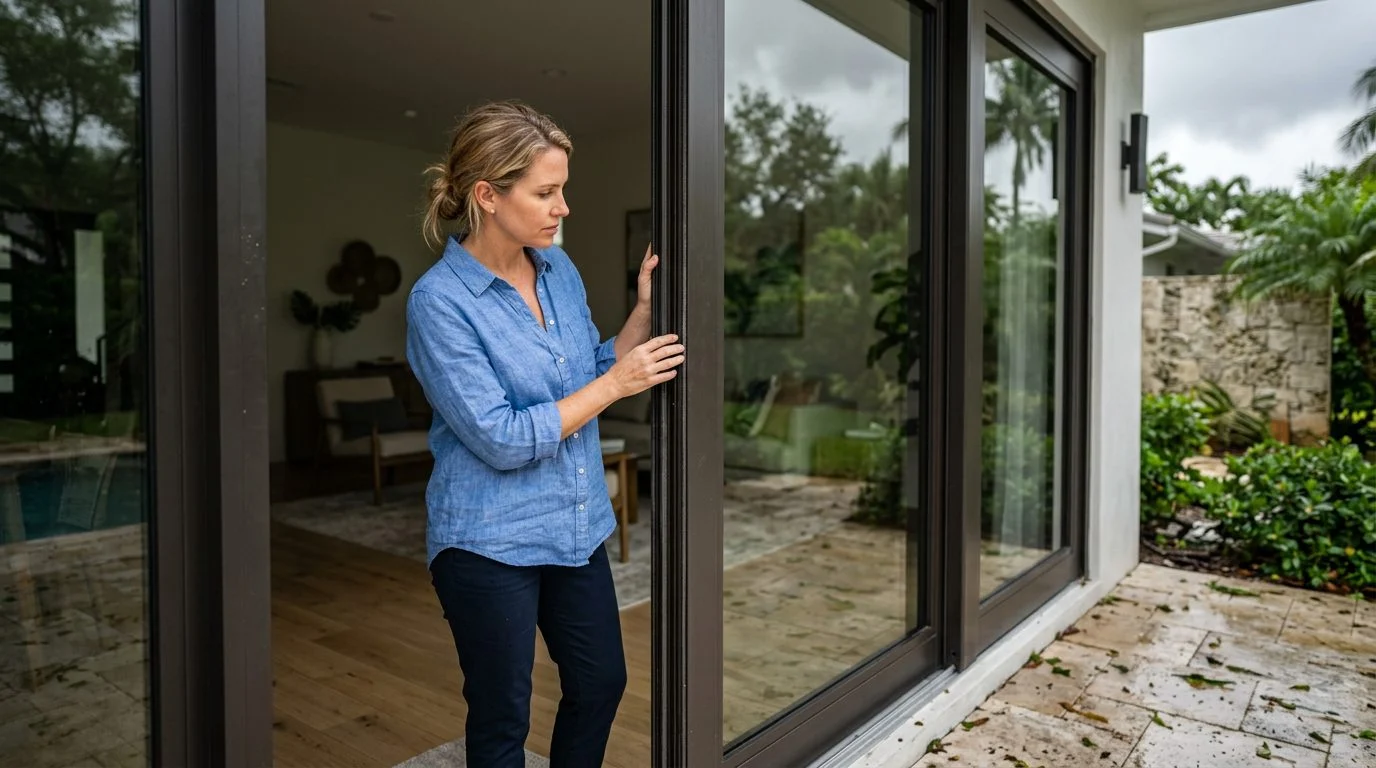
Miami Impact Doors & Tile Roofing Guide
Stronger Doors, Lasting Roofs: Plan Your Miami Home Upgrade
Compare impact door options and tile roofing types, learn what drives cost, and decide between repair and replacement. Start with a free, confidential first consultation with ASP Superhome.
Start With Confidence
Free
First consultation
Confidential
Every conversation
No obligation
Decide at your own pace
By Jonathan Rodriguez · Published October 19, 2026
Impact Doors Miami and Tile Roofing: Costs, Repair and Replacement
Looking for impact doors Miami homeowners can choose? ASP Superhome offers them, along with tile roofing. This guide explains how clay, concrete and synthetic tile differ in weight, appearance and installation. It also covers the main cost factors and how to decide between repair and replacement. For a broader regional view, read our tile roofing guide for South Florida.
Not sure what your next step is?
Talk it through with our team — the first consultation is free, confidential, and carries no obligation.
Why many Miami homes have tile roofs
Tile is common on Miami homes. It is durable, and it fits the Spanish and Mediterranean styles that many neighborhoods prefer.
Miami’s sun and heat wear down any roof, and summer storms bring heavy rain. Wind matters too. According to Fla. Stat. § 553.844, recent hurricanes have shown the effectiveness of the Florida Building Code in reducing property damage to buildings built to its requirements.
Permit requirements for roof work can vary from one municipality to another. Plan for them early so the project has no surprises.
Clay, concrete and synthetic tile: what each roof is made of
Each type of tile starts with a different material. That choice changes the weight, the appearance and the installation.
Clay tile is fired from natural clay. It gives the classic warm look of barrel-shaped tile.
Concrete tile is made from cement and sand. It copies a similar profile, with a wider range of colors and finishes.
Synthetic composite tile is made from manufactured materials that imitate the barrel shape. It is generally lighter than clay or concrete, which can matter for the structure of older roofs.
Before tile replaces another roof covering, the structure’s load capacity should be checked. Match the material to your home’s structure and style. ASP Superhome offers tile roofing and can explain which type fits your home during your consultation.
What determines the cost of a tile roof in Miami
The cost of a tile roof in Miami depends on the roof’s size, its slope, the type of tile and the work hidden under the tiles. Here is what drives the price.
Roof area and slope come first. A larger or steeper roof needs more tile, more labor and more safety work.
Next are the underlayment and flashing. The underlayment is the water-resistant layer under the tiles. Flashing is the metal pieces at valleys, edges and roof openings. Both matter in Miami’s heavy rain and wind, and cheap versions can cost more later.
Tile removal and disposal, along with roof access, add to the total. So do permits. Permit requirements for roof work can vary from one municipality to another.
Does a tile roof need a structural review?
Yes, when switching to tile from a lighter roof covering. Tile is heavier than many roofing materials, so the structure’s load capacity should be checked first. Actual cost depends on your roof’s features. ASP Superhome can give you an estimate for your specific home.
Repair or replacement: how to decide on a tile roof
Repair is usually suitable when the damage is limited to one section. Replacement deserves a detailed evaluation when the damage is widespread. Three factors help you decide.
First, the damaged area. A few cracked or shifted tiles are different from broken tiles across most of a roof slope.
Second, the age of the tile. Older tile can be brittle and may chip during repair.
Third, whether matching tile still exists. A repair looks right only when the new tile matches in color, profile and size.
Florida rules add another layer when a roof is replaced. Fla. Stat. § 553.844 sets wind mitigation requirements that can apply to roof replacement on certain single-family homes. Whether a requirement applies to a given home depends on the facts, so ask during your consultation.
Tile roof drawbacks and maintenance Miami owners should expect
The main drawbacks of a tile roof are weight, fragility when walked on and harder repairs later. Plan for all three.
Tile adds weight to the structure. In some homes, the framing may need reinforcement before a new tile roof is installed.
Tiles can crack or slide under foot traffic. Leave roof access to trained professionals.
Broken or shifted tiles expose the underlayment below. Then water can find a path inside. Many owners do not notice the problem until a stain appears indoors, so an early repair can prevent larger damage.
Matching replacement tile can be difficult on older roofs. Plan repairs with extra time to find the right tile.
Check your roof after storms and heavy rain. Look from the ground for cracked, shifted or missing tiles, and contact us if you see any.
Not sure what your next step is?
Talk it through with our team — the first consultation is free, confidential, and carries no obligation.
Impact doors Miami and tile roof inspection with ASP Superhome
If your tile roof is cracked, sliding or leaking, the next step is a clear check of its condition. ASP Superhome offers tile roof repair, roof replacement and tile roofing options for Miami homes.
The initial consultation is free, confidential and carries no obligation to continue. If you are deciding between repairing or replacing a damaged tile roof, request your free estimate here.
ASP Superhome also offers impact doors. Fla. Stat. § 553.8425 addresses how impact products show compliance with structural windload requirements for local product approval. Section 553.8425 sets the methods by which products show compliance with the structural windload requirements of the Florida Building Code for local product approval, such as a certification mark, a test report, or a statewide product approval.
Three Common Tile Roof Types
Clay Tile
A traditional choice for Spanish and Mediterranean-style homes. Clay is heavier than many alternatives, so the roof structure and installation method matter.
Concrete Tile
A durable, widely used option that can mimic the look of clay. It is heavy, so a careful assessment of the roof structure is important.
Synthetic Tile
Designed to resemble traditional tile while weighing considerably less. Installation details and product selection shape both appearance and performance.
Repair or Replace?
Cracked or slipping tiles may be a simple repair. Widespread damage, underlayment problems or an aging roof often point toward replacement. A site inspection gives the clearest answer.
Why Homeowners Start with ASP Superhome
Impact Doors and Windows
Impact-rated doors and windows built to protect your home from South Florida storms and debris.
Complete Roofing Services
Metal and tile roofing, roof repair and full roof replacement, all handled through one team.
Solar and Battery Backup
Solar panels paired with battery backup options, planned around how your home uses energy.
Local Teams Across South Florida
Serving Miami, Fort Lauderdale, West Palm Beach, Kendall, Naples, Fort Myers and Boca Raton.
Tip Before You Wait
Small tile cracks, loose pieces or water stains in the ceiling can signal problems underneath the tiles. Having the roof inspected early can help you compare repair and replacement options before damage spreads.


