


Impact Doors · South Florida
Plan Your Impact Door Project Before the Storm Season Arrives
See how each stage of a project fits together, from the first measurement to the day your new door is in place.
By Jonathan Rodriguez · Published November 9, 2026
If your entry door isn’t impact-rated and June 1 is getting close, you’re probably asking whether it can be finished in time. An impact door project moves through a set of steps, and the total timeline is the sum of those steps. Knowing each stage helps you plan backward from the date you need.
Why the Calendar Matters: Hurricane Season and Your Door
The Atlantic hurricane season starts June 1, so many homeowners plan exterior upgrades backward from that date.
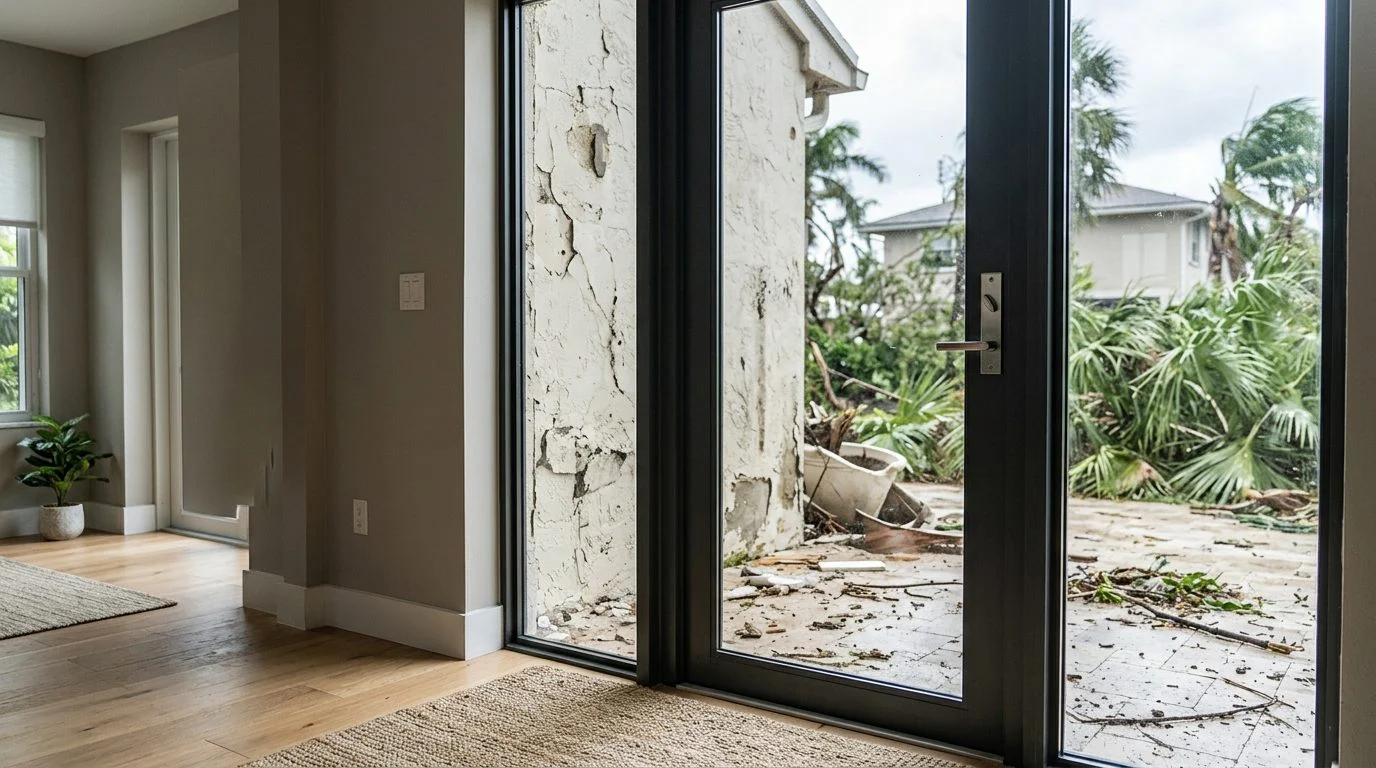
Your entry door is a common weak point in a storm. Wind can push past a standard door, and wind-borne debris, meaning objects the wind throws, can break its glass or panels. Impact-rated doors are built to resist that debris.
State law sets rules for these products.
Whether your project can finish before June 1 depends on how far along it is when you start.
Not sure what your next step is?
Talk it through with our team — the first consultation is free, confidential, and carries no obligation.
The Stages of an Impact Door Project
An impact door project moves through a series of stages, from the first conversation to the final check.
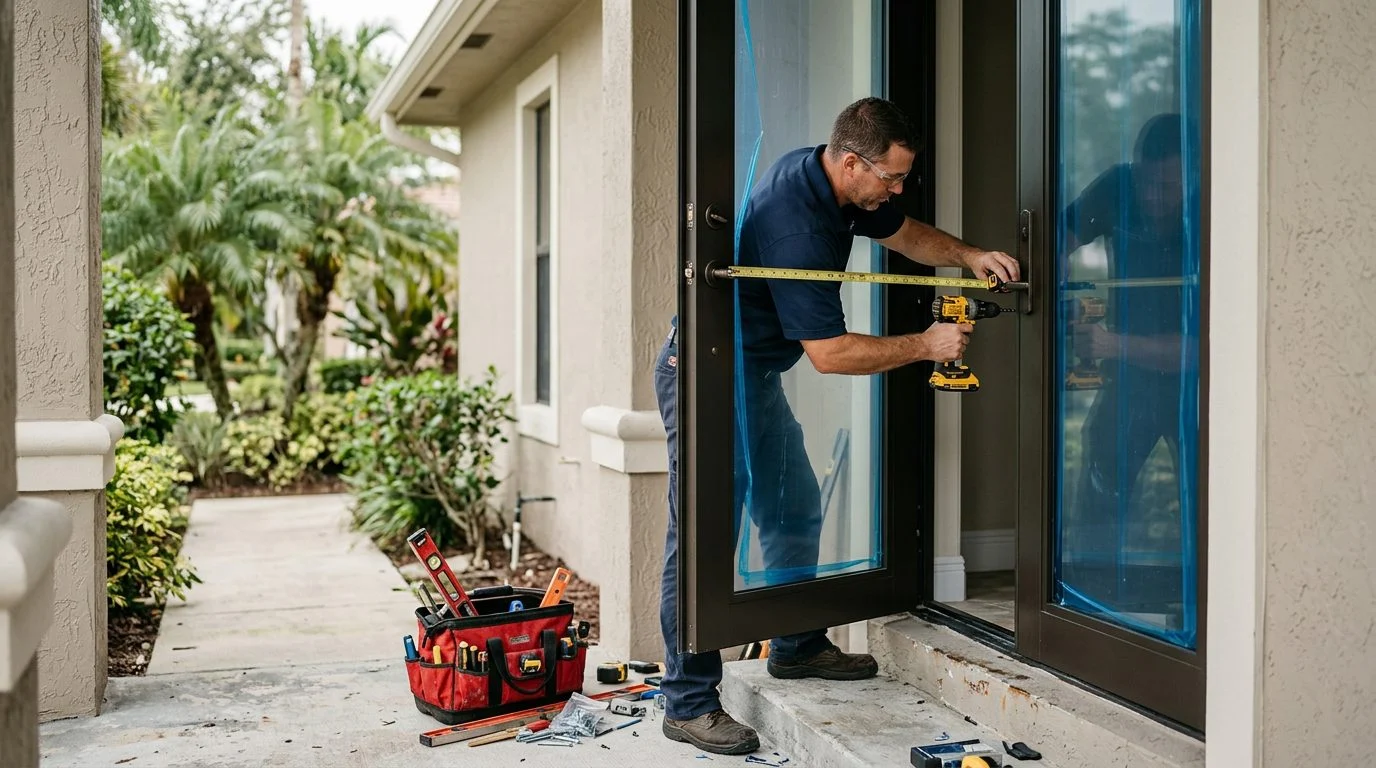
- Consultation. The team confirms the opening’s size, the door style, and the scope of work. This shapes every later step.
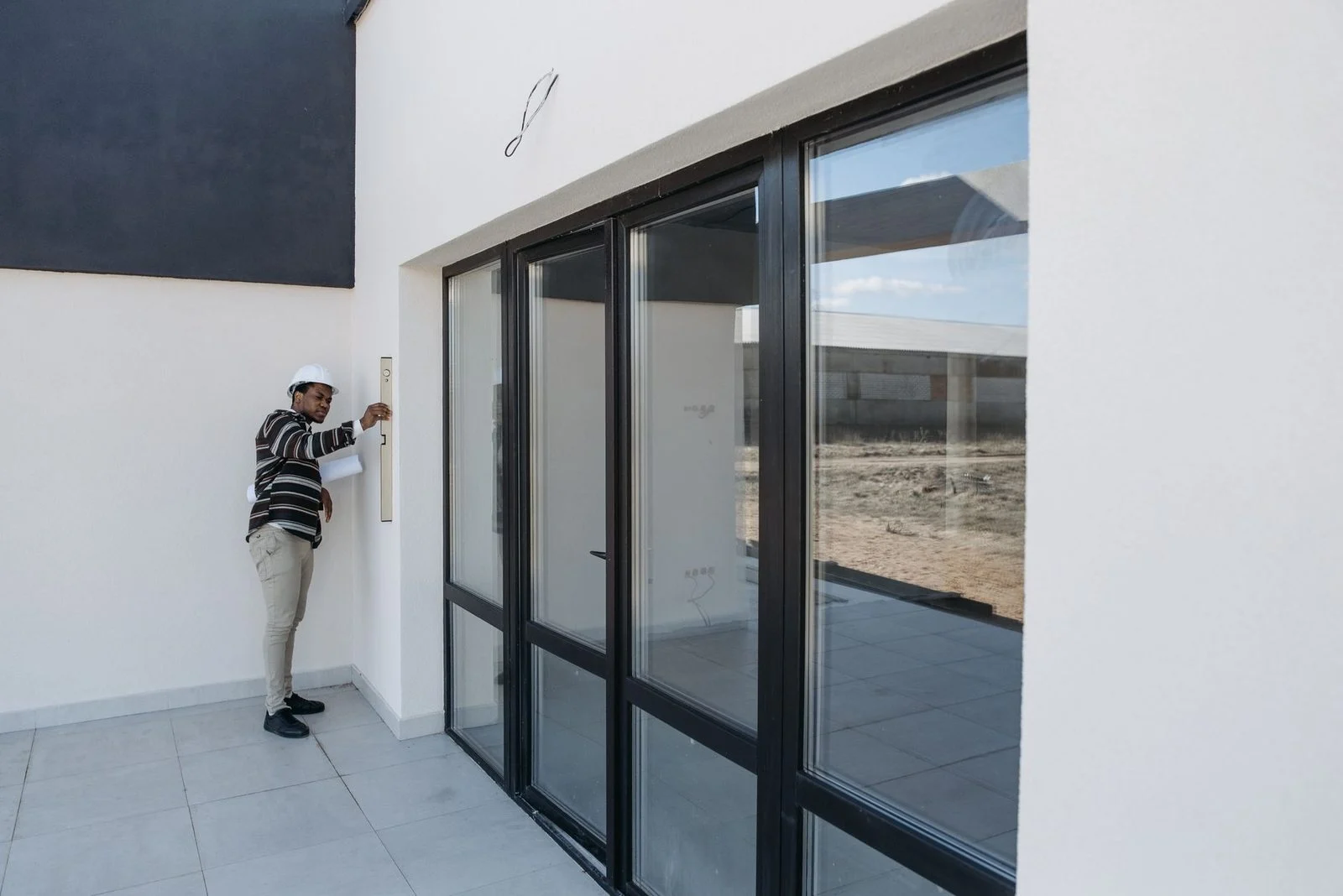
- On-site measurement. Exact width, height, and the condition of the frame are recorded.
- Product selection. You choose the style, glass, and finish. Exterior doors used to protect a building can go through Miami-Dade product approval based on testing and technical documentation (Miami-Dade product approval).
- Ordering. The order starts the manufacturer’s lead time.
- Fabrication and delivery. The door is built and brought to the site.
- Unless otherwise provided by law, it is unlawful to construct, alter, repair, or demolish a building in Florida without first obtaining a permit from the appropriate enforcing agency (Fla. Stat. § 553.79).
- Installation and final inspection. The door is set, sealed, and checked, followed by a walkthrough.
Each stage has its own timing. There is no single fixed number that covers every project.
What Affects the Timeline
Several factors drive how long each stage takes. Product lead time is one of the biggest. The door style, glass, and finish you choose all affect when the product arrives.
The opening matters too. A same-size swap in the same opening takes less work than a modified opening. For one- and two-family homes and townhouses, the code supplement says sealed drawings are not required for a replacement if several conditions are met. The replacement must be installed per the manufacturer’s instructions for the wind zone, and it must be the same size in the same opening (Florida Building Code supplement).
Location also counts. The wind-borne debris region is defined by distance from the coast and design wind speed. It includes areas within 1 mile of the coastal mean high water line where the ultimate design wind speed is 130 mph or greater (Florida Building Commission amendment).
Your city or county may have its own permit steps, which can add time. Demand also rises in the weeks before June 1, when many homeowners ask for work at once. Rain and unsafe access can stop exterior installation for days.
Working Backward from June 1
Start with the date you want the door finished. Then count back through each stage, giving each one its own window. Add a buffer at the end for delays.
Starting the consultation earlier in spring leaves more room for lead time and permit steps. It also gives you time to adjust if a stage runs long.
Plan for the risk, too. A door that isn’t installed by the start of the season leaves the home exposed. Planning early reduces that risk.
Insurance can also be part of the picture. Under Fla. Stat. § 627.711, insurers must notify personal lines residential property policyholders, at policy issuance and at each renewal, of the availability and range of premium discounts, credits, other rate differentials, and deductible reductions for properties with fixtures or construction techniques demonstrated to reduce windstorm losses. It also says a person who signs a wind-mitigation verification form must inspect the structures personally, not through employees or other persons, with limited exceptions for direct employees of certain licensees (Florida DFS premium discounts).
Installing After a Storm: What Homeowners Should Know
After a storm, a damaged door goes through the same stages once the home is safe to work in. The steps don’t change, but the calendar may.
Post-storm demand can stretch schedules, so ask about timing at the first consultation. Crews and materials may be in high demand across the region.
Take photos of the damage for your own records. Keep any temporary protection in place until the new door is installed. This helps the home stay secured while you wait.
Talk Through Your Own Door Timeline With ASP Superhome
Maybe your entry door is older and not impact-rated. June 1 is ahead, and you’re not sure installation can finish in time. That’s the question our team can help you work through.
How long does impact door installation take?
The total depends on the stages of each project. Product lead time, permits, and the opening itself are the main factors.
Can an impact door be installed before hurricane season?
It can be, if you start early enough to cover each stage. An earlier start leaves more room for lead time and permit steps.
Do I need a permit to replace an exterior door in Florida?
Florida law generally requires a permit before a building is repaired or altered, unless otherwise provided by law (Fla. Stat. § 553.79(1)(a)), so your project’s permit requirements depend on the specific work involved.
To see how the stages fit your calendar, book your free first consultation and share your door’s size, location, and current condition.
What Keeps an Impact Door Project on Track
Clear Measurements
Accurate measurements of each opening help avoid changes later and keep the product order moving.
Realistic Scheduling
We look at product lead times and permit steps together so you know what to expect at each stage.
Hurricane-Ready Products
Our impact doors are chosen for South Florida conditions, so the opening is built to handle the weather it faces.
Support at Every Step
Our team stays in touch from the first consultation through installation, so you always know where your project stands.
Start Early for More Room to Work
Every stage, from ordering to installation, takes time. Reaching out early gives each step more room, especially during the busy months before hurricane season.
The Stages of an Impact Door Installation
1. Consultation and Measurement
We visit your home, review your openings, and discuss the door styles and features that fit your needs.
2. Product Order and Lead Time
Once you choose your door, we place the order. Lead time depends on the product and current manufacturing schedules.
3. Permits and Approvals
Permit requirements vary by municipality. We prepare the paperwork and track each step so the project keeps moving.
4. Installation Day
Our crew removes the old door, installs the new impact unit, and checks that it operates smoothly and seals properly.


