


Roofing | South Florida
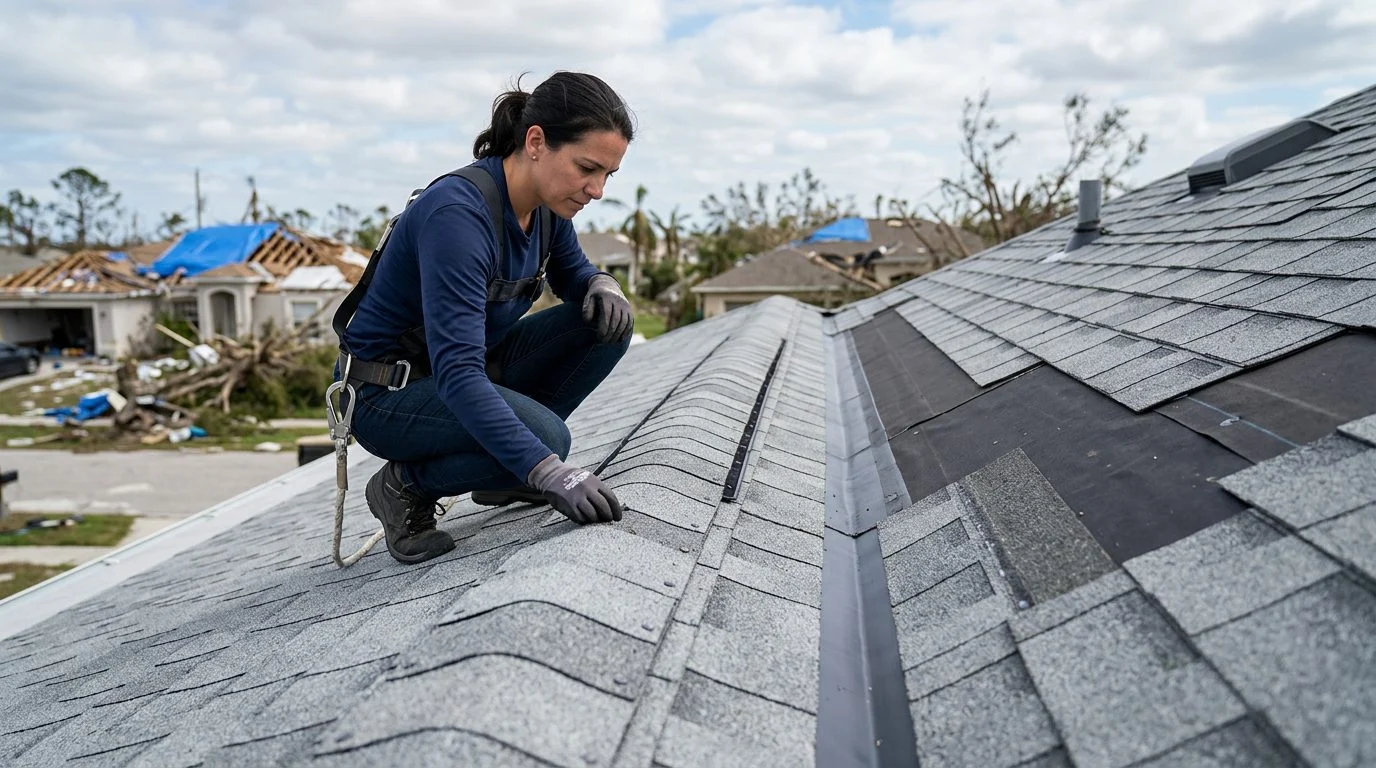
Get Your Roof Ready Before Hurricane Season
Whether your roof needs a targeted fix or a full replacement, a clear plan now is easier than a rushed decision after the next storm warning.
By Jonathan Rodriguez · Published November 9, 2026
You found damage on your roof, and hurricane season is coming. You may be deciding this for yourself, a family member, a tenant, or a property you manage.
Should I repair my roof or replace it before hurricane season in Florida? A repair fits when the roof is sound overall and the damage sits in a few spots. Replacement makes more sense when damage is widespread, leaks keep coming back, or the decking underneath is failing.
Repair or replace: the question to answer before hurricane season
The decision turns on four things: the roof’s condition, its age, its material, and the rules that apply to the work. Timing matters as much as condition. A storm doesn’t wait for a planned project.
A targeted repair fixes specific failures, such as a patch of lifted shingles or cracked flashing. Replacement removes the existing roof covering and installs a new system. Florida law makes it unlawful to repair a building without first getting a permit, unless another law provides otherwise, under Fla. Stat. § 553.79. A roof replacement on a site-built, single-family home must also incorporate certain mitigation techniques, including secondary water barriers, under Fla. Stat. § 553.844. That statute says the criteria may not be limited to one method or material.
If you’re deciding for someone else, gather what you can first. Collect photos of the damage, past repair invoices, any inspection report, and the roof’s install date if you know it.
If a leak or cracked tiles have you weighing repair against replacement before storm season, our team can talk your roof through with you in a free first consultation that is confidential and carries no obligation to continue. Talk it through with our team — the first consultation is free, confidential, and carries no obligation.
What to fix first: the pre-season priority order
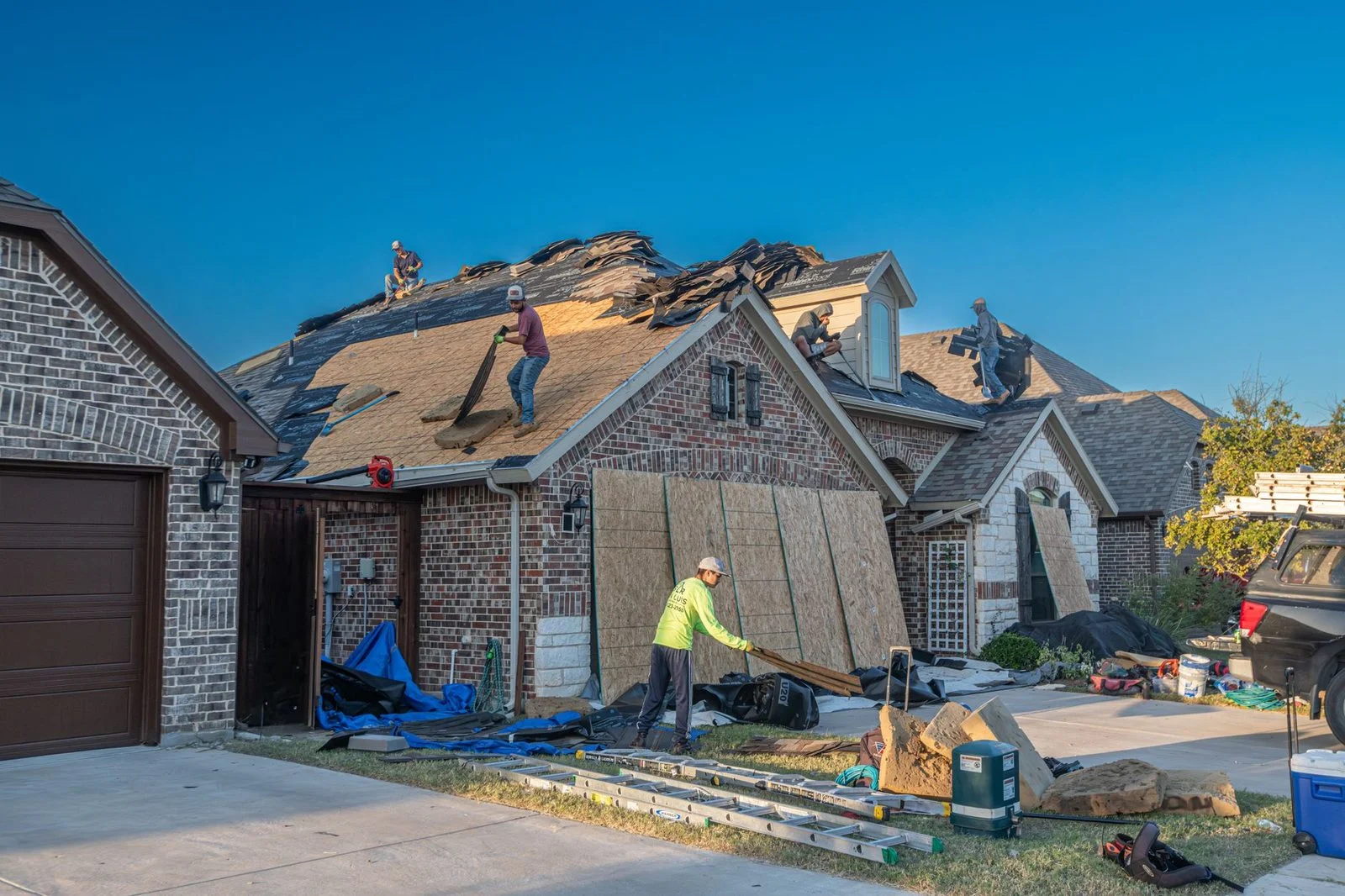
Fix active leaks first, then loose or missing roofing, then flashing, then the attic, then gutters and trees. Work down the list in order.
- Active leaks. Look for water after any recent storm or heavy rain. Stop water entry before anything else.
- Missing, cracked, or lifted shingles or tiles. Check edges and ridges closely. Loose pieces often show up there first.
- Flashing and sealants. Check around vents, chimneys, skylights, and wall-to-roof joints. The 2026 residential code analysis now applies flashing rules to all roof types and shapes.
- Attic and decking. Look for water stains, soft spots, or daylight coming through the deck.
- Gutters, downspouts, and branches. Clear debris and trim overhanging limbs. Branches can drop debris onto the roof and scrape it in wind.
When a targeted repair makes sense
A targeted repair makes sense when the roof is sound overall and the damage is limited to areas you can point to. Common examples include replacing a section of damaged tile or shingles, resealing flashing, and re-fastening loose metal panels.
A repair corrects the area that failed. It doesn’t change the age or condition of the rest of the roof. Re-check the roof after each major storm, because one repair may not settle the question for the next season.
Material shapes the repair. Tile, metal, and shingle roofs fail at different points, so one fix doesn’t fit all three. A later section covers each material.
Permits come first. The City of Miami says permits are required for residential and commercial roof repair or replacement, per its roofing permit page. Plan for permit steps before work starts.
Five signs the roof may need replacement instead
Replacement starts to make sense when damage is widespread, leaks keep returning, or the decking has failed. Look for these five signs.
- Widespread granule loss, curling, or cracking across many areas, not one spot.
- Repeated leaks in different locations after earlier repairs.
- Soft, warped, or rotting decking when you check from the attic.
- A roof age near or past the typical service life of its material. Age alone doesn’t decide the outcome.
- Storm damage that was never fully fixed from an earlier storm.
Each sign is a clue, not a verdict. Put them together with a close inspection before you decide.
The 25 percent threshold and why total repair cost matters
When 25 percent or more of a roofing system or roof section is repaired, replaced, or recovered, only that portion must meet the code in effect. This exception applies to roofs built, repaired, or replaced under the 2007 Florida Building Code or later editions, per Fla. Stat. § 553.844.
The percentage is measured against the roofing system or roof section, as the statute words it. That makes total scope matter.
Keep dates, invoices, and photos for every repair. They show what has already been done to each section of the roof.
Recovering a roof has its own rule. The Florida Building Commission’s 2026 residential analysis says the upper roof covering may be removed during recovering only when the existing or repaired substrate is adequate for the new covering.
Ask your local building department how the threshold applies to your permit.
Tile, metal, and shingle roofs: what hurricane prep looks like for each
Each roof material fails in its own places, so prep should follow the material.
Tile roofs. Check for cracked or displaced tiles, the condition of the underlayment, and secure fastening at edges and ridges. The 2026 residential analysis revised the tile flashing section for clarity, so check flashing too.
Metal roofs. Inspect seams, fasteners, trim, and panel edges for lifting or gaps. The 2026 residential analysis added a section requiring metal panel flashing to follow the code chapter and the manufacturer’s installation instructions.
Shingle roofs. Check sealing strips, nail pops, and edge damage. The 2026 residential analysis gives specific fastening guidance for interlocking shingles that match products in use today.
Not sure what your next step is?
Talk it through with our team — the first consultation is free, confidential, and carries no obligation.
Insurance, wind mitigation, and roof upgrades
Roof work can matter for a wind mitigation inspection, but your insurer decides what discount applies. An insurer must accept as valid a uniform mitigation verification form signed by authorized inspectors, under Fla. Stat. § 627.711, though at its own expense the insurer may require independent verification before accepting it. Those inspectors include a licensed home inspector with at least 3 hours of hurricane mitigation training and a proficiency exam.
Florida homeowners submit the form to an insurance agent to seek hurricane-wind mitigation premium discounts, per the Florida Office of Insurance Regulation.
The Florida CFO consumer guide describes inspections, documentation, and roof features that can qualify for discounts. Keep records of completed roof work. Documentation can help you answer questions later.
A pre-season timeline and your next step
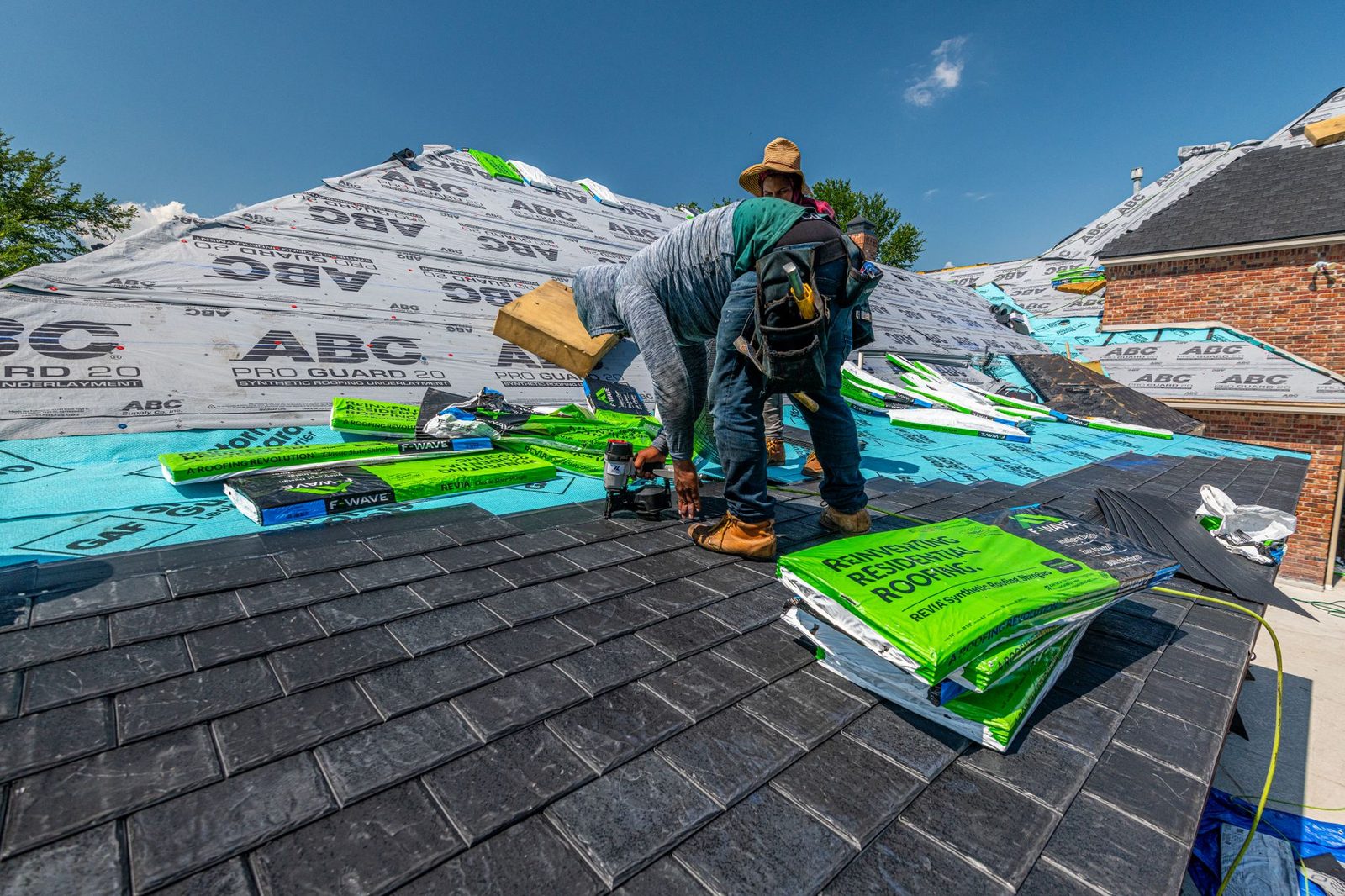
Inspect in spring, finish priority repairs before June 1, and re-check after any major storm. Atlantic hurricane season runs from June 1 to November 30.
- Spring: Inspect the roof and attic, and photograph what you find.
- Permits: Local governments must approve, approve with conditions, or deny a complete application within set business-day timeframes, under Fla. Stat. § 553.792. Fla. Stat. § 553.792 reads: “(1)(a) A local government must approve, approve with conditions, or deny a building permit application after receipt of a completed and sufficient application within the following timeframes, unless the applicant waives such timeframes in writing:1.”
- Miami-Dade: The Miami-Dade roofing permit page describes required forms, checklists, contractor e-permitting, and certain hurricane-mitigation documentation.
- Before and after: Photograph the roof and attic before and after work. Keep the photos with your invoices.
Can I repair part of my roof instead of replacing all of it in Florida?
Yes. A repair can cover one section. If an existing roofing system was built, repaired, or replaced in compliance with the 2007 Florida Building Code or a later edition, and 25 percent or more of the roofing system or roof section is repaired, replaced, or recovered, only the repaired, replaced, or recovered portion must meet the Florida Building Code in effect, as applicable. See Fla. Stat. § 553.844.
Do I need a permit to repair a roof in Miami?
Yes. The City of Miami says permits are required for residential and commercial roof repair or replacement.
Should I inspect my roof before hurricane season?
Yes. A spring inspection leaves time for permits and priority repairs before June 1.
If a leak or cracked tiles have you weighing repair against replacement before storm season, our team can talk your roof through with you. Your free first consultation is confidential and carries no obligation to continue, so you can book it here.
How ASP Superhome Can Help
Free First Consultation
Our first consultation is free, confidential, and comes with no obligation to continue.
Clear Written Options
We outline repair and replacement options so you can compare scope and timing for your home.
Local to South Florida
Our team works with homeowners in Miami, Fort Lauderdale, West Palm Beach, Kendall, Boca Raton, Naples, and Fort Myers.
Storm-Ready Upgrades
Beyond roofing, we also offer impact windows and doors to help protect the rest of your home.
Don't Wait Until the Storm Is Forecast
Roofing work, inspections, and material availability can all slow down once a storm is on the way. Scheduling your review early gives you more time to plan.
Services for Your Roof
Roof Repair
Targeted repairs for leaks, damaged sections, and storm-related wear, handled with your home's existing roofing system in mind.
Roof Replacement
Full replacement when an aging or damaged roof needs a fresh start, with options in metal or tile.
Metal Roofing
A durable option designed for South Florida weather, available for both repairs and full installations.
Tile Roofing
A classic look that suits Florida homes, with repair and replacement options for existing tile roofs.


