


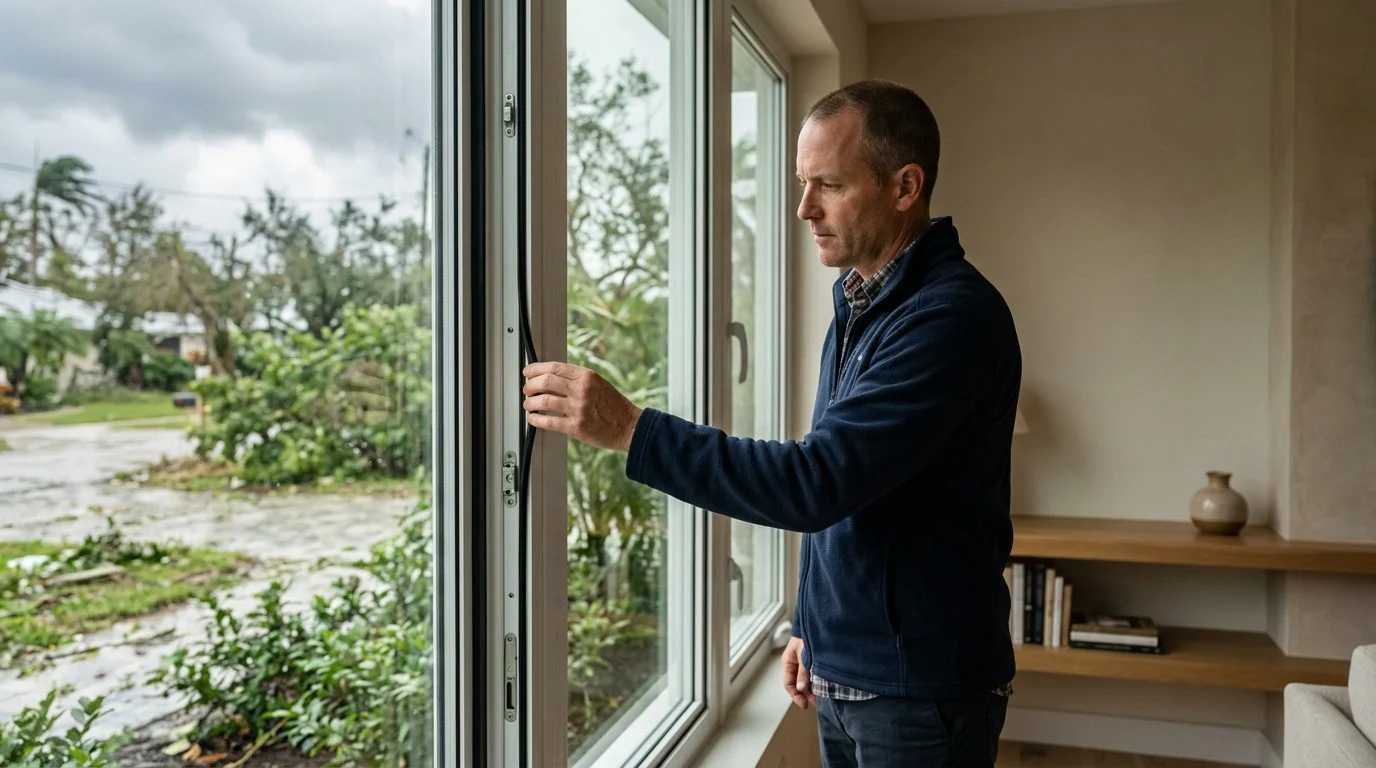
Hurricane Preparedness | South Florida
Should You Crack Open Your Windows During a Hurricane?
The short answer is no. Here is why keeping windows and doors closed and secured protects your home, and how ASP Superhome can help you prepare.
By Jonathan Rodriguez · Published October 25, 2026
Should you crack open your windows during a hurricane? No. Keep windows and doors closed and secured. An open window lets wind and rain into the house, and it does not protect the roof or walls. This guide explains the common belief, what an open window does, and what protects a South Florida home instead.
The Short Answer: Keep Windows Closed During a Hurricane
Keep windows and doors closed and secured during a hurricane. That is the standard advice from official preparedness sources in Florida. The Florida wind-mitigation booklet from the Florida Division of Emergency Management says window and door openings are vulnerable to hurricane wind and water intrusion.
Miami-Dade County’s hurricane window guidance focuses on securing windows and doors with approved shutters or plywood boarding. The goal is to cover the openings, not leave them partly open.
The question comes up for a simple reason. The storm is loud, the glass flexes, and the house seems to strain. Friends and online posts often pass along the cracked-window tip. It sounds convincing when you’re scared and watching the windows bow.
If you're deciding how to protect a South Florida home you own or look after, our team offers a free, confidential first consultation, with no obligation to continue. Talk it through with our team — the first consultation is free, confidential, and carries no obligation.

Why Do People Open Windows During a Storm?
People open windows because they believe it balances air pressure inside and outside the house. The idea goes like this: wind pushes hard on the outside of a house, so cracking a window should let the inside pressure rise to match. The roof and walls, the thinking goes, won’t be pushed out as much.
The belief starts with a real effect. Wind does push on buildings, and windows do move under strong gusts. Many homeowners see that movement and assume a small opening will help.
The mistake is in what happens once wind finds an opening. The pressure does not simply even out in the way the tip suggests. Instead, wind enters the home and creates a new problem inside. That’s where the belief breaks down.
What Opening a Window Does to Wind and Pressure Inside Your Home
An open window lets wind and rain into the house, and it can make pressure inside the home worse. When wind blows through an opening, it fills the rooms and pushes against the structure from the inside. That force can work against the roof and walls, and it can lift roof coverings.
Rain comes in too. It soaks drywall, floors, and furniture, often before anyone notices.
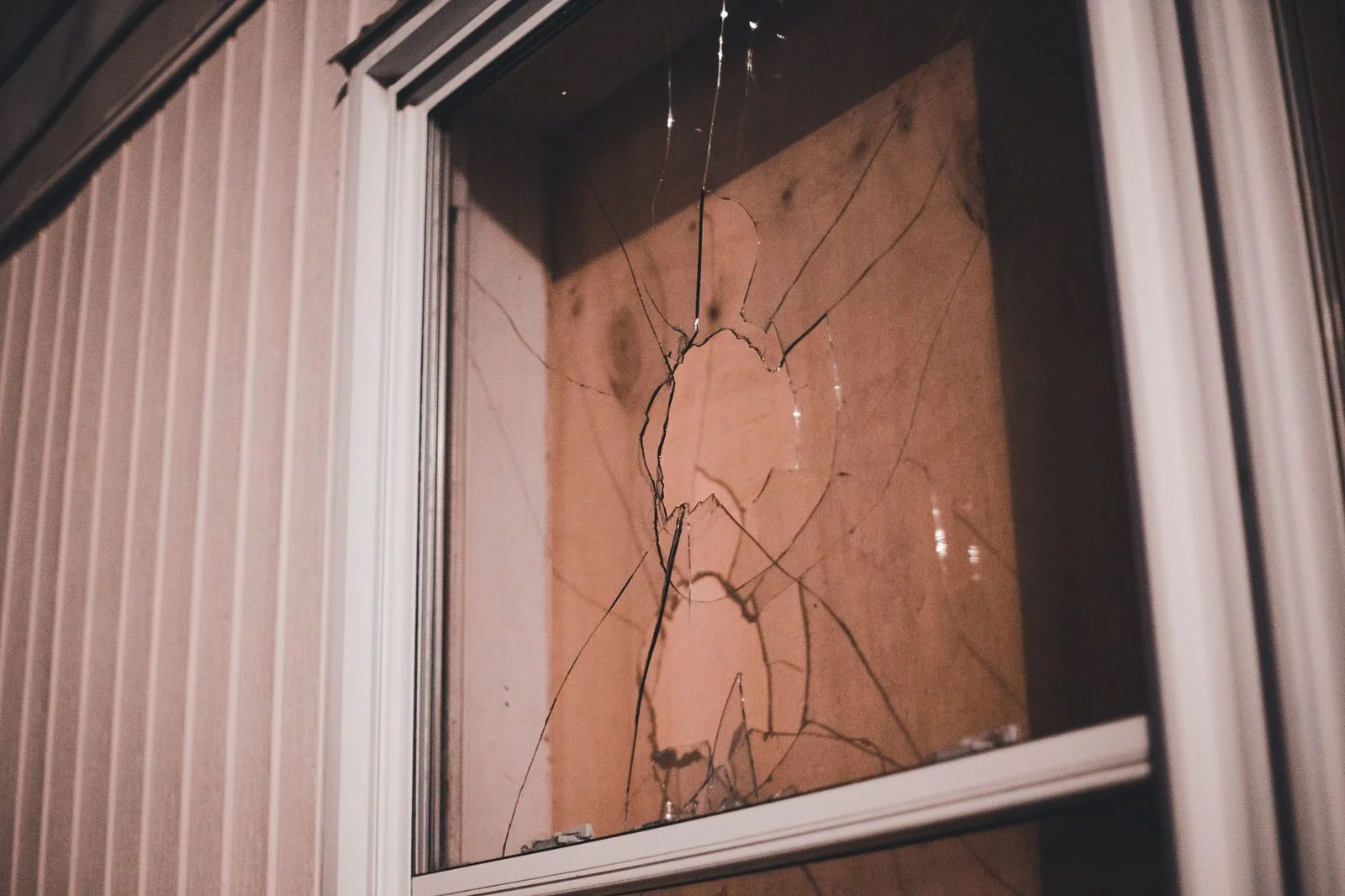
An open window also does not protect the glass. Flying debris can still strike the window from outside. Standard glass is the weak point under debris impact. A broken pane becomes a second opening, and wind rushes in through it.
That is why product design and testing matter. Under Florida law, a product may not be advertised, sold, offered, provided, distributed, or marketed as hurricane, windstorm, or impact protection from wind-borne debris unless it is approved pursuant to Fla. Stat. § 553.842 or § 553.8425, and anyone who does so without approval is subject to the Florida Deceptive and Unfair Trade Practices Act. Section 553.8425 separately sets out the methods for local product approval, under which products must demonstrate compliance with the structural windload requirements of the Florida Building Code. Approval is the check that separates tested products from marketing claims.
How to Protect Windows and Doors Before the Storm
Protect windows before the storm with shutters or products built to resist wind-borne debris. Start with what’s already on the house. Shutters that are properly installed and closed cover the glass, which is the purpose of the protection.
Large openings need special attention. Pinellas County notes that permanent accordion shutters are a hurricane-protection option for large openings such as sliding glass doors, according to its retrofit guidance.
Next, check locks, frames, and seals before the season starts. Note which openings face the strongest exposure. Clear loose items from the yard, because flying objects strike glass.
Replacing windows is a bigger step. Impact windows and impact doors are built to resist wind-borne debris. Miami-Dade’s guidance also covers general information about impact-resistant glass, including its capabilities and cost-related considerations. Installing or replacing exterior impact windows generally requires a permit, subject to the building official’s determination, according to Opa-locka permit guidance.
What Not to Do During a Hurricane
The main rule during the storm is simple: stay away from windows and stay inside. Do not open windows to relieve pressure. Do not stand near glass, even if the window looks solid.
Move to an interior room away from exterior walls when you can. Keep your body clear of the glass, and keep children and pets away from it too.
Do not go outside during a lull. Conditions can change quickly, and a calm stretch does not mean the storm is over.
Keep a battery-powered radio or a charged phone so you can follow updates from official sources. If you are checking on an older relative or a home you cannot be at, agree ahead of time on who will call, and when.
Protecting Your Home Before the Next Storm Season
If you’re weighing window protection, the question is no longer just what to do tonight. It becomes a planning decision for the next season. Many homeowners face this choice after a storm warning, when time is short.
Others are handling it for a parent, a relative, or a rental they cannot check on during a storm. Planning ahead gives you time to review your openings, understand permit steps, and schedule work before the season begins.
Impact windows and impact doors are the permanent option on this list. Their job is to keep wind-borne debris out of the opening itself. If you own or look after a home in South Florida and want to talk through impact windows or doors, ASP Superhome offers a free, confidential first consultation, with no obligation to continue.
Frequently asked questions
Should you crack open your windows during a hurricane?
No. Keep windows and doors closed and secured, because an open window lets wind and rain inside.
Does opening a window equalize pressure during a hurricane?
No. Opening a window lets wind into the house, which can increase pressure indoors and worsen damage.
Do impact windows need a permit in Florida?
Installing or replacing exterior impact windows generally requires a permit, subject to the building official’s determination.
Key Warning
Do not open a window to 'equalize pressure' during a hurricane. Opening a window lets wind and rain into the house and can make indoor pressure and damage worse. Keep windows and doors closed and secured.
How ASP Superhome Can Help Your Home Stand Up to Storms
Impact Windows and Doors
Impact windows and impact doors help keep wind and debris out of your home, so you can keep them closed when a storm arrives.
Roofing Options
Metal and tile roofing, along with roof repair and replacement, support the structure that protects everything below it.
Power Backup
Solar panels paired with battery backup can keep essentials running when the grid goes down.
Free First Consultation
Our free first consultation is confidential and comes with no obligation to continue.
Before the Storm: Simple Preparation Steps
Check Seals and Hardware
Look over window and door frames, seals, and locks well before hurricane season so you know where repairs may be needed.
Inspect Your Roof
Loose or damaged roofing gives wind an easy way in. Ask about roof repair before a storm is forecast.
Plan for Power Loss
Keep flashlights, batteries, and water on hand, and consider whether solar battery backup fits your household.
Plan Upgrades Early
Impact windows and doors are easier to schedule in calm weather than in the days before a storm.


