


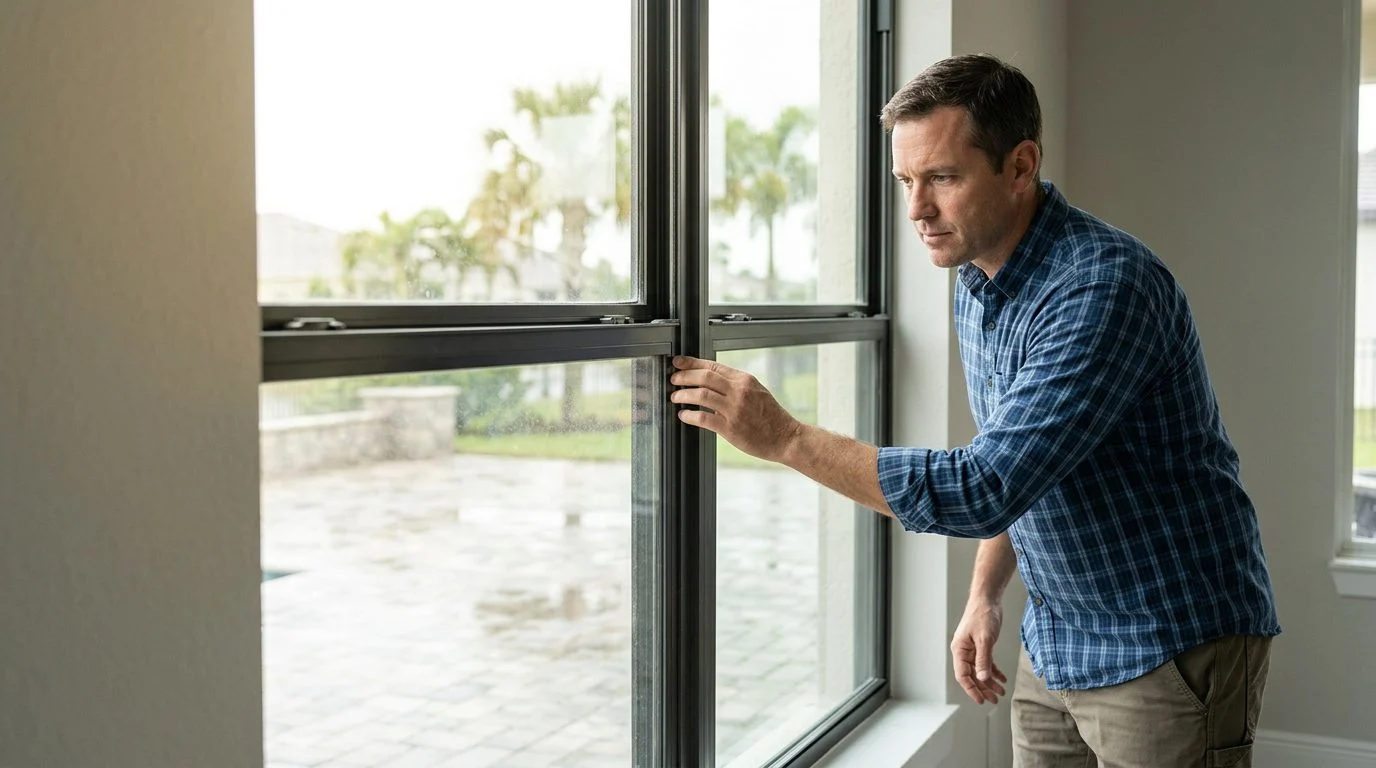
Home Risk Facts | South Florida
Miami Rarely Takes a Direct Hit, but Nearby Storms Still Test Your Home
Here is what Miami homeowners should know about hurricane season, wind, and rain, and how impact windows, doors, roofing, and solar battery backup can help you prepare.
By Jonathan Rodriguez · Published November 6, 2026
Does Miami usually get hit by hurricanes? Not every year. Miami sits in a region that storms often pass through, but a direct hit is a rare event. The risk still matters for every home in the area, because storms bring wind, debris, and rain even when they miss the city’s center.
The short answer: Miami is in hurricane country, but not every year brings a direct hit
Miami is regularly in the path of Atlantic storms, but a direct hit on the city is uncommon. Miami-Dade and Broward counties sit on South Florida’s Atlantic coast. That location puts the area in reach of tropical systems that form over warm ocean water. Being in the path of storms is not the same as being struck every season. Read “usually” as “often in the path,” not “hit each year.” For the broader picture, start with our impact windows guide.
If you're looking into this for a home you don't live in, or after a storm left you worried, you don't have to sort out the openings and roof alone. Our team can talk it through with you. Talk it through with our team — the first consultation is free, confidential, and carries no obligation.
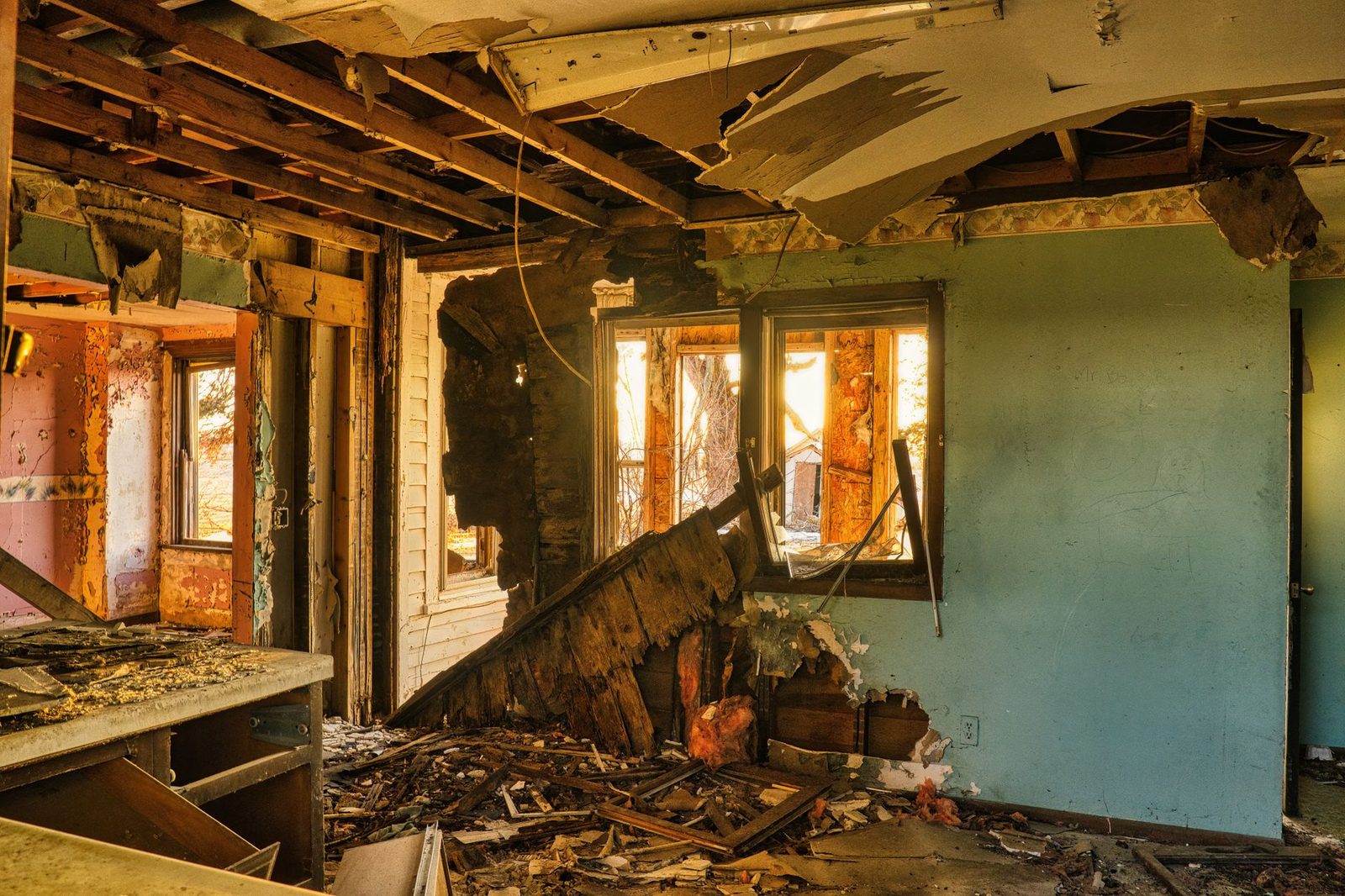
Hurricane season in Miami runs from June 1 through November 30
The Atlantic hurricane season runs from June 1 through November 30 each year. Storm activity usually climbs in late summer and peaks in early fall. August through October carries the most seasonal risk. Early June is usually quieter, which is why many visitors ask about the first week of June. Quieter does not mean safe. A tropical system can form in any week of the season. If you’re planning a trip, check the season dates before you book. If you’re planning home work, plan it before the peak months arrive.
How often has Miami been hit directly?
Direct hits on Miami are less frequent than storms that pass close by. A storm’s center can stay offshore while strong wind, heavy rain, and rising water still reach the city. Those effects can damage roofs, openings, and yards, and they can cut power, without any landfall in Miami. Wind can also push debris into a home even when the storm is just passing by. Heavy rain often follows close behind. For a home, the useful question is not only “did the eye land here?” It is “did wind and water reach the house?”
Why Miami’s exposure is high: wind, rain, and water together
Storm damage to a home usually comes from wind, debris, and water arriving together. Storm surge is seawater pushed inland by a storm’s winds. It can reach areas well away from the beach. Landfall means the storm’s center crosses the coastline. Hurricane-force winds can lift loose objects and hurl them at a building. Debris is one of the main ways a storm breaks a window or door. Once an opening fails, wind and rain get inside. That can damage walls, floors, and belongings, even if the roof holds. A hurricane watch means conditions are possible in your area. A hurricane warning means they are expected. Knowing these terms helps you act before a storm arrives.
What the risk means for your home’s windows, doors, and roof
Windows and doors are the openings a storm tests first. Florida law limits how storm products can be marketed. Under Fla. Stat. § 553.842, a product may not be advertised, sold, offered, provided, distributed, or marketed as hurricane, windstorm, or impact protection from wind-borne debris from a hurricane or windstorm unless it is approved under that section or s. 553.8425. Anyone who does so without approval is subject to the Florida Deceptive and Unfair Trade Practices Act, in an action brought by the enforcing authority as defined in s. 501.203. Approval is a fact you can check on the product’s paperwork. For glass types, see hurricane glass types. For a closer look at the code question, read whether Florida requires hurricane windows.
Permits also show what a project must include.
Roofs need attention too. The City of Miami roofing permit page says permits are required for residential roof repair or replacement. For metal roofing, IBHS roof cover findings reported that metal systems held up well in winds below 130 mph during Hurricane Ian in Southwest Florida.

If you’re checking on a home you don’t live in, or after a storm
If you’re checking on a parent’s or relative’s home, start with the openings and the roof. You may be far away, unsure what protection the house has, or worried after a season that tested it. Start with a few plain questions. Which windows and doors face the open ocean or the street? Are any openings older or unrated? Is the roof showing wear? Is there a permit record for past work? Those answers shape the next step. A nearby city can also help if you cover more than one area. The Fort Lauderdale hurricane risk guide covers that comparison.
Frequently asked questions
How often does Miami get hit by a hurricane?
Direct hits are rare. Storms that pass nearby can still bring strong wind and heavy rain to the city.
When is hurricane season in Miami?
The Atlantic hurricane season runs from June 1 through November 30.
Our first consultation is free, confidential, and carries no obligation to continue. If you’re weighing protection for a home you’re responsible for, or one a relative asked you to check, contact ASP Superhome to start that conversation.
What Miami Homeowners Should Know
Direct hits are uncommon
Storms that pass nearby can still bring strong wind and heavy rain to the city.
Hurricane season is long
The Atlantic hurricane season runs from June 1 through November 30, so preparation should begin well before the first storm forms.
Wind and debris are the main threats
Flying debris can break windows and doors, and wind-driven rain can enter through openings. Impact-rated protection helps reduce that exposure.
Your roof and power matter too
Roof condition and backup power affect how well a home holds up during and after a storm, and both are worth reviewing before the season begins.
Don't Wait for the Forecast
Storm supplies, materials, and installation schedules fill up quickly once a storm is in the Atlantic. Reviewing your windows, doors, and roof now gives you more time to plan.
Home Solutions for South Florida Storm Season
Impact Windows and Doors
Impact windows and impact doors are designed to resist flying debris and wind-driven rain, helping protect the openings that storms most often test.
Metal and Tile Roofing
Metal and tile roofing options suit South Florida homes. We can review your current roof and discuss whether a replacement or repair makes sense.
Roof Repair and Replacement
Small leaks and worn areas can grow into bigger problems during heavy rain. Addressing them early keeps your roof in better shape before storm season.
Solar Panels and Battery Backup
Solar panels paired with battery backup can help keep essential power available when the grid is down, giving your household more flexibility during outages.
Start With a Free First Consultation
Related practice areas
- Pre-Season Checklist


